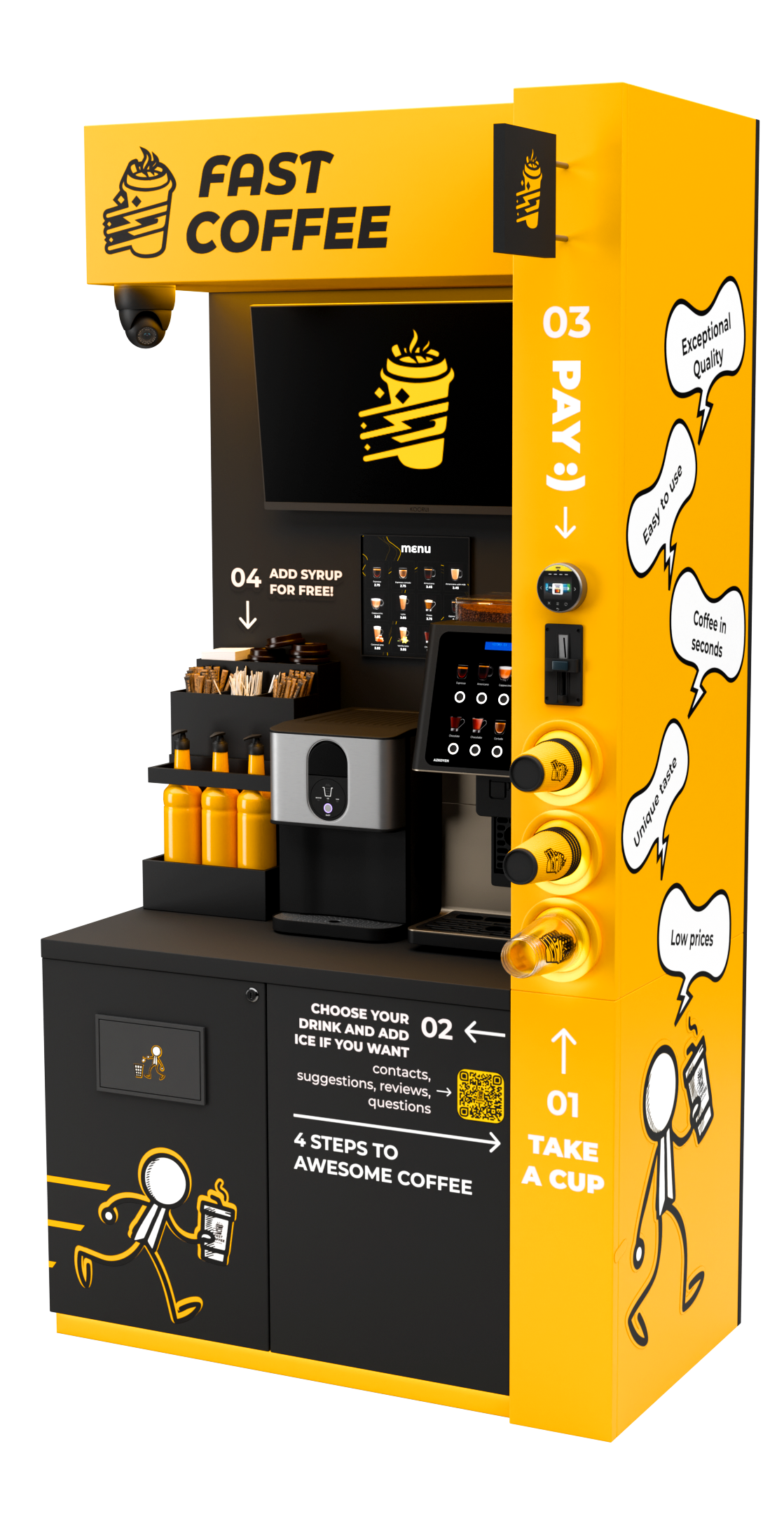
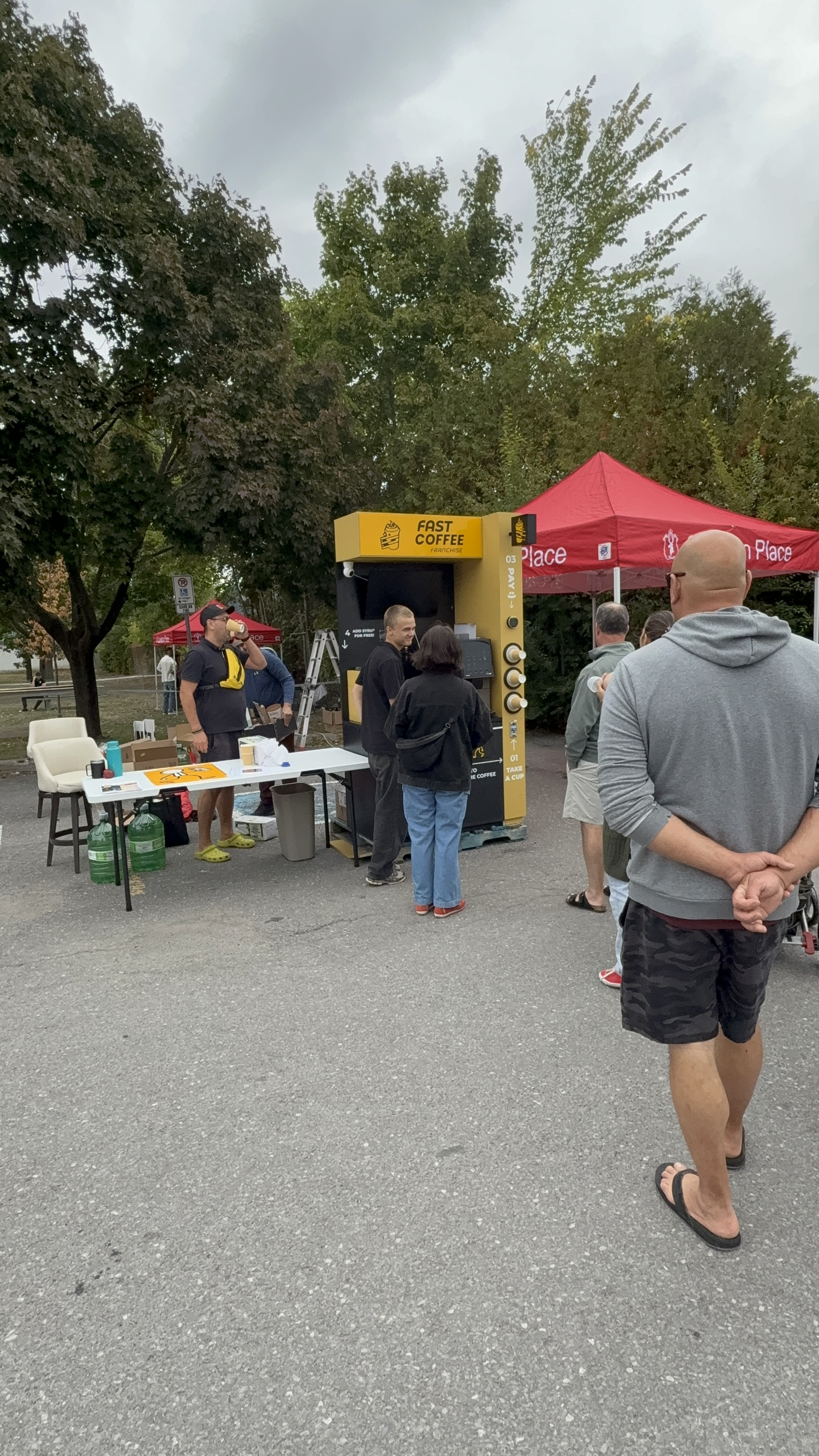
Investing in a commercial coffee vending machine franchise in Canada represents one of the most operationally resilient micro-business models of 2026. Automated bean-to-cup kiosks eliminate retail staffing bottlenecks while delivering premium specialty beverages across high-foot-traffic commercial locations.
According to Canadian Franchise Association (CFA) industry disclosures, micro-format unattended retail assets demonstrate faster capital payback schedules and lower fixed overhead than traditional quick-service restaurant (QSR) buildouts. Prospective operators evaluate automated coffee kiosks based on unit economics, location qualification, and remote fleet management tools.
Capital Expenditure Comparison: Automated Kiosk vs. Retail Cafe
Traditional brick-and-mortar cafe franchises require substantial upfront build-out capital, commercial lease guarantees, and recurring wage expenditures. By contrast, automated commercial espresso stations operate within existing host facilities under flexible space agreements:
| Investment Dimension | Traditional Cafe Franchise | Fast Coffee Vending Kiosk | Financial Impact |
|---|---|---|---|
| Initial Capital Requirement | $250,000 – $450,000 | $12,500 – $18,500 per unit | Over 90% capital reduction |
| Break-Even Volume | 220 – 350 drinks daily | 25 – 35 drinks daily | Low hurdle for commercial solvency |
| Staffing Requirement | 3 – 6 full-time staff per shift | 0 on-site employees | Immune to minimum wage escalation |
| Monthly Space Rent | $4,500 – $12,000 fixed lease | 15% net profit share to host | Zero fixed monthly occupancy risk |
| Payback Period | 36 – 60 months | 10 – 14 months | Rapid equity recovery |
Site Selection and Footfall Evaluation Criteria
Unit performance correlates directly with pedestrian footfall quality and dwell time. Fast Coffee evaluates locations based on three verifiable density tiers across Eastern Ontario:
- Tier 1 High-Dwell Venues: Multi-story medical office complexes, university libraries, government service buildings, and corporate business parks (minimum 300 daily visitors).
- Tier 2 High-Flow Commercial Hubs: Auto dealerships, regional transit terminals, and commercial athletic facilities (minimum 150 daily visitors).
- Tier 3 Captive Workplaces: Distribution centres, manufacturing facilities, and 24/7 call centers with shift-based staff seeking instant premium espresso.
Explore Fast Coffee Partnership and Fleet Opportunities
Whether you manage prime commercial real estate or seek to deploy automated coffee vending equipment across Ontario, Fast Coffee provides end-to-end technical hardware, telemetry, and bean supply logistics.
Fleet Management Telemetry and Preventive Service
Modern unattended franchise systems rely on real-time IoT diagnostics compliant with Industry Canada data guidelines. Operators access a unified cloud dashboard displaying drink sales velocity, water pressure fluctuations, bean hopper levels, and cleaning schedules. Automated alerts ensure preventative maintenance occurs before interruptions arise, preserving maximum uptime across the kiosk network.
Frequently Asked Questions
What is the minimum volume needed for a coffee vending kiosk to remain profitable?
Because automated kiosks have zero staffing overhead and low operational costs, a station averaging 28 drinks per day at $3.25 delivers solid operational margins and covers equipment amortization within 12 months.
How are host venues compensated for floor space?
Host venues typically receive a monthly profit share of 15% from net drink sales or an agreed flat monthly station fee. This creates an immediate recurring revenue stream from unused floor space without capital outlay.
Who handles bean supply and routine maintenance?
Fast Coffee provides complete supply chain support, supplying certified fresh-roasted Arabica beans, milk powders, and bio-degradable cups while scheduling periodic technical audits and filter replacements.